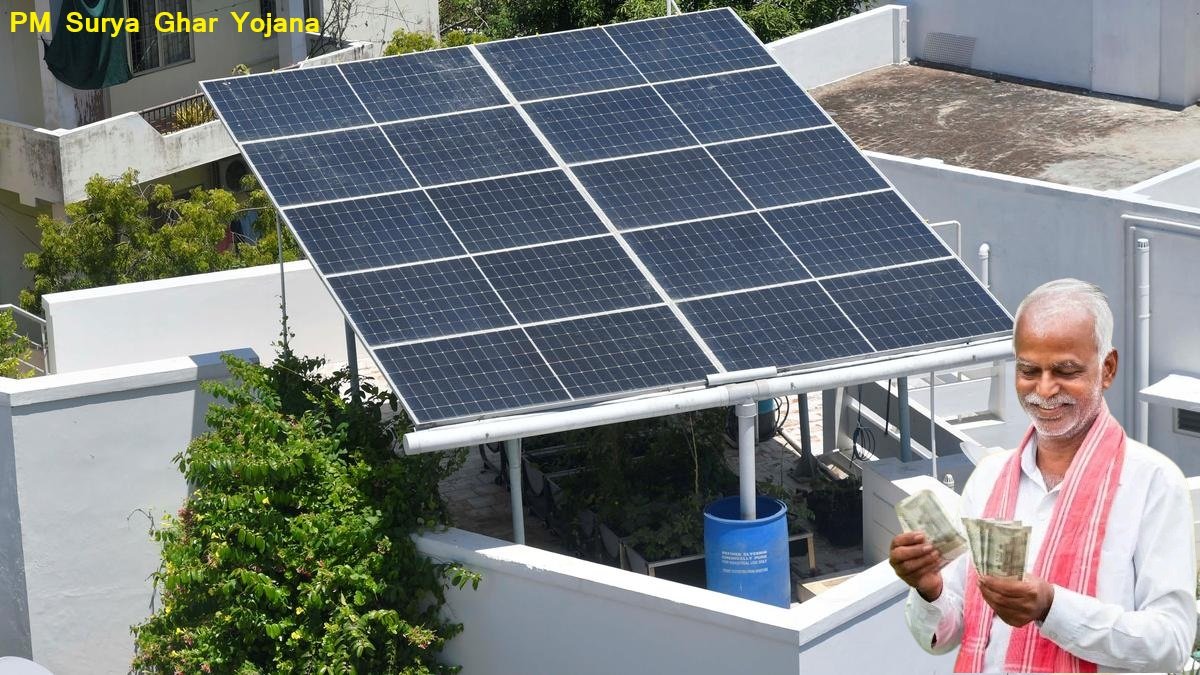
For years, my rooftop solar electricity bill was something I never looked forward to. Every month, I would open the bill and wonder why the amount kept increasing. With air conditioners, fans, refrigerators, lights, and other appliances running regularly, reducing electricity consumption seemed difficult. That’s when I started considering rooftop solar. At first, I had the same questions many homeowners have: How much will solar cost? Will it actually reduce my electricity bill? Is the installation complicated? And how long will it take to recover the investment? After researching my options, I decided to install a rooftop solar system.

The First Step: Understanding My Rooftop Solar Electricity Bill

Before installing solar panels, I checked my previous electricity bills to understand my average consumption. This was important because the right solar system size depends on household electricity usage, available rooftop space, and other factors. Instead of simply choosing the biggest system available, I wanted a solution designed around my actual energy requirements.

Installation Day

The installation process was easier than I expected. The solar panels were mounted on the rooftop, along with the required inverter, mounting structure, wiring, and other components. Once the system was installed and connected according to applicable requirements, I was ready to start generating electricity from sunlight. Seeing the panels on my roof made the investment feel real. Instead of the rooftop simply being unused space, it was now helping generate power for my home.

What Happened to My Rooftop Solar Electricity Bill?

The biggest difference was noticeable after the system started generating electricity. My home began using solar power during the day, reducing my dependence on electricity from the grid. As a result, my electricity bill started decreasing compared with what I had been paying previously. However, the exact savings from rooftop solar electricity bill can vary from one household to another. Electricity consumption, solar system capacity, sunlight, local tariffs, and applicable net-metering rules can all affect the final bill. That is why it’s important to look at your own consumption instead of expecting the same savings as someone else.

More Than Just Monthly Savings

For me, solar wasn’t only about reducing the electricity bill. It also changed the way I thought about energy. I became more aware of how much electricity my household uses and when we use it. Generating clean energy from my own rooftop also gave me a greater sense of energy independence.

Is Rooftop Solar Worth It?

If you regularly receive high electricity bills, rooftop solar is worth exploring. The upfront investment needs careful consideration, but long-term electricity savings can make solar an attractive option for many homeowners. Before installing, compare different systems, understand warranties, check available incentives, and get a professional assessment of your rooftop. My biggest takeaway? Don’t look at rooftop solar only as an expense. Look at it as an investment in long-term electricity savings.

Are you interested in solar energy but worried about the solar panel cost? You are not alone. For many homeowners, the initial investment can seem expensive. However, there are several ways to make affordable solar panels a practical option while reducing your monthly electricity bills.

The key is to choose a solar system based on your actual electricity consumption instead of paying for more capacity than you need. You can also explore our solar solutions to understand how rooftop solar can fit your energy requirements.

Choose the Right Solar System Size

One of the easiest ways to control your solar installation cost is to select the right system capacity. A larger system is not always better if your household consumes less electricity.

Review your recent electricity bills and calculate your average monthly consumption. A professional solar installer can use this information to recommend a suitable rooftop solar system.

Choosing the right size can help you avoid unnecessary upfront expenses while still providing meaningful electricity bill savings.

Compare Solar Panel Prices and Equipment

When looking for affordable solar panels, don’t compare prices based only on the panel. Consider the complete system, including solar panels, inverter, mounting structures, wiring, installation, warranties, and after-sales service.

A very low initial price may not always represent the best value. Compare product quality, warranty coverage, installation standards, and the reputation of the solar company before making your decision. You can also learn more about solar panel installation before selecting an installer.

Explore Available Solar Subsidies

Government incentives can help reduce the upfront cost of residential solar systems. In India, eligible homeowners may be able to benefit from applicable government solar subsidy programs, depending on the current rules and eligibility requirements.

For the latest official information about India’s rooftop solar subsidy program, visit the PM Surya Ghar official website. Before purchasing, check the latest subsidy guidelines and understand whether your chosen system and installer meet the applicable requirements.

Focus on Long-Term Savings

The cheapest solar system is not necessarily the one with the lowest purchase price. A quality rooftop solar system can generate electricity for many years, potentially helping reduce your monthly power expenses.

When comparing options, consider the expected electricity generation, system warranty, maintenance requirements, and estimated payback period. Looking at the total value over the system’s lifetime can help you make a smarter buying decision.

If you want to understand more about the benefits of switching to solar, explore our solar energy solutions for additional information.

Get Multiple Solar Quotes

If you are a price-sensitive buyer, getting multiple quotations is one of the best ways to understand the market. Ask each installer for a detailed breakdown of solar panel cost, installation charges, equipment specifications, warranties, and expected generation.

This makes it easier to compare offers and identify the right balance between price, quality, and long-term savings. Before making a decision, you can also contact our solar experts to discuss your requirements.

Make Solar Affordable in 2026

Going solar does not necessarily mean choosing the most expensive system. By selecting the right capacity, comparing complete system costs, checking eligible subsidies, and focusing on long-term electricity savings, homeowners can make affordable solar panels a realistic investment.

If your electricity bills are increasing, explore your rooftop solar options today and choose a system designed around your budget and energy needs. Contact Ellvin Energy to get started.

Are you worried about your rising electricity bill every month? For many homeowners, increasing power consumption from air conditioners, refrigerators, washing machines, and other appliances can make monthly electricity expenses difficult to manage. Rooftop solar offers a practical way to reduce your dependence on grid electricity and achieve long-term savings.

Instead of paying your entire electricity bill to the power provider, you can generate clean electricity from sunlight right on your rooftop. You can also explore our solar energy solutions to understand how solar power can be used for residential and commercial applications.

How Does Rooftop Solar Work?

A rooftop solar system uses solar panels installed on your home’s roof to convert sunlight into electricity. The generated power can be used to operate everyday appliances such as fans, lights, refrigerators, TVs, and air conditioners.

During sunny hours, your solar panels generate electricity for your home. Depending on your system and electricity usage, excess power may also be supplied to the grid through net metering, subject to applicable regulations.

For official information about India’s renewable energy initiatives and policies, you can refer to the Ministry of New and Renewable Energy (MNRE).

This makes solar energy a smart solution for homeowners looking to control their electricity expenses.

How Can Solar Reduce Your Electricity Bill?

The biggest advantage of rooftop solar is potential savings on your monthly electricity bill. By generating your own electricity, you can reduce the amount of power you need to purchase from the grid.

For example, a properly sized solar system can generate a significant amount of electricity throughout the year. Your actual savings depend on factors such as system capacity, rooftop space, sunlight availability, electricity consumption, and local electricity tariffs.

Homeowners in India can also learn more about the PM Surya Ghar: Muft Bijli Yojana and available rooftop solar initiatives.

Over time, these monthly savings can help recover the investment made in your solar system.

Is Rooftop Solar Suitable for Beginners?

Yes. You don’t need to be a solar expert to understand or use a home rooftop solar system. A professional solar company can assess your electricity consumption, inspect your rooftop, recommend the appropriate system capacity, and help with installation and documentation.

Before choosing a system, review your recent electricity bills and understand your average monthly consumption. This helps ensure that your solar system is designed according to your actual energy requirements.

If you are planning a solar installation, you can also explore our solar installation services to learn more about the installation process and available solutions.

Start Saving With Solar Energy

If your electricity bill is too high, now may be the right time to explore rooftop solar. Solar power can help reduce monthly electricity expenses, increase energy independence, and provide a cleaner source of power for your home.

Instead of allowing rising electricity costs to affect your household budget, consider investing in a properly designed rooftop solar system and turn your unused rooftop into a source of valuable energy.

To explore more about solar power and available solutions, visit our contact us page and speak with our team.

PM Surya Ghar Yojana 2026 is a major Government of India initiative designed to promote residential rooftop
solar adoption and make clean energy accessible to millions of households. With rising electricity tariffs and
growing awareness of sustainability, this scheme enables homeowners to generate their own solar power,
reduce monthly electricity bills, and contribute to India’s renewable energy mission.

What Is PM Surya Ghar Yojana?

PM Surya Ghar Yojana is a national rooftop solar scheme that supports households in installing
grid-connected rooftop solar systems through financial assistance and simplified approval processes. The
scheme aims to reduce dependence on conventional power sources while strengthening clean energy India
goals.

By encouraging solar energy for homes, the program supports energy independence, long-term savings, and
reduced carbon emissions

Key Benefits of PM Surya Ghar Yojana 2026

  1. Significant Electricity Bill Reduction

One of the biggest advantages of PM Surya Ghar Yojana 2026 is electricity cost reduction. Rooftop solar
panels generate power during daylight hours, lowering grid consumption. With net metering, excess solar
power exported to the grid is adjusted against electricity usage, helping households save even more.

  1. Government Solar Subsidy Support

The scheme offers solar subsidy for residential rooftop solar, making installations affordable for middle- and
lower-income families. Subsidies reduce upfront costs for solar panels, inverters, and installation. This
improves solar ROI and shortens the payback period significantly.

  1. Clean and Sustainable Energy

Switching to solar helps households support renewable energy India initiatives. Rooftop solar reduces carbon
footprint, air pollution, and reliance on coal-based electricity, promoting a healthier environment.

  1. . Energy Independence and Reliability

By producing electricity on-site, households gain energy independence and protection from rising power tariffs
and grid outages. Solar power ensures greater control over energy usage.

  1. Long-Term Financial Savings

Residential solar systems typically last 25 years or more. After recovering the initial investment, households
enjoy decades of low-cost electricity, making solar a smart long-term investment.

Who Can Apply for PM Surya Ghar Yojana 2026?

  • Ownership of a residential house
  • Adequate rooftop space for solar installation
  • Active electricity connection
  • Willingness to install a grid-connected solar system

Eligibility rules may vary slightly based on state policies and DISCOM guidelines.

How to Apply for PM Surya Ghar Yojana 2026

Step 1: Online Registration

Applicants must register on the National Rooftop Solar Portal by selecting their state, DISCOM, and entering
consumer details

Step 2: Proposal Approval

After registration, a rooftop solar proposal is reviewed by the DISCOM for technical feasibility, rooftop
suitability, and load capacity.

Step 3: Solar Installation

Once approved, installation is completed by authorized solar vendors, including solar panels, inverter,
mounting structure, and safety equipment.

Step 4: Net Metering & Inspection

The installed system is inspected, and a net meter is installed to measure electricity import and export

Step 5: Subsidy Disbursement

After commissioning, the solar subsidy amount is credited directly to the beneficiary’s bank account as per
scheme guidelines.

Why PM Surya Ghar Yojana Is Important in 2026

As India moves toward ambitious climate and renewable energy targets, residential rooftop solar plays a vital
role. PM Surya Ghar Yojana 2026 removes financial and procedural barriers, making solar adoption easy,
affordable, and impactful. With improved solar technology and stable government support, now is the ideal
time to go solar

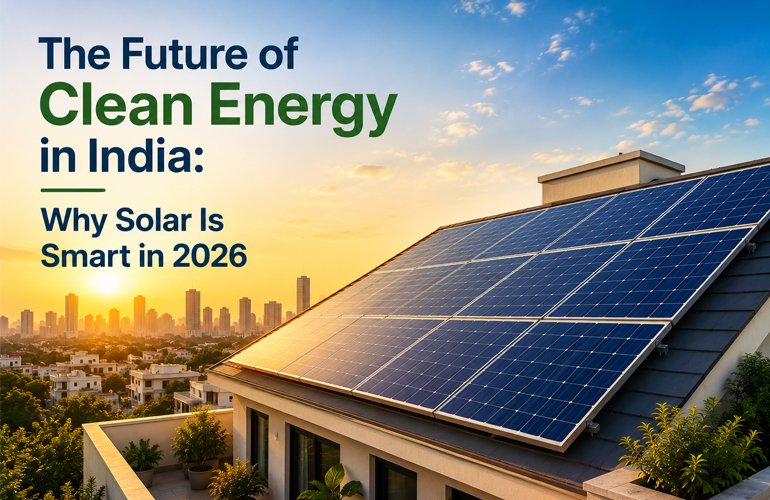
The future of clean energy in India is accelerating faster than ever, driven by rising electricity demand, climate
commitments, and rapid advancements in renewable energy technology. As we move into 2026, solar energy
stands out as the most reliable, scalable, and cost-effective clean energy solution for homes, businesses, and
industries. With supportive government policies, falling solar installation costs, and proven long-term savings,
solar power is no longer optional—it’s a strategic energy decision

India’s Clean Energy Transition: A Turning Point

India has set ambitious renewable energy targets to reduce carbon emissions and improve energy security.
Clean energy sources like solar power, wind energy, hydropower, and battery storage systems are reshaping
the national power mix.

With increasing fossil fuel costs and grid instability, clean energy adoption helps reduce dependence on coal
while ensuring sustainable growth. Solar energy, in particular, leads this transition due to India’s high solar
potential and rapidly expanding infrastructure.

Key Clean Energy Trends Shaping India in 2026

  1. Rapid Growth of Solar Power Capacity

Solar power generation continues to dominate India’s renewable energy expansion. Large-scale solar parks,
rooftop solar installations, and hybrid solar systems are being deployed across residential, commercial, and
industrial sectors. Lower solar panel prices and improved efficiency make solar systems more accessible than
ever.

  1. Advanced Solar Technology

Emerging technologies such as high-efficiency solar panels, bifacial modules, smart inverters, and AI-powered
energy monitoring are improving performance and reliability. These innovations maximize power output while
reducing maintenance requirements. Solar plus battery energy storage systems (BESS) are also gaining
traction, enabling round-the-clock clean power availability.

  1. Strong Government Policies and Incentives

Government initiatives, including solar subsidies, net metering policies, accelerated depreciation, and
renewable purchase obligations, continue to support solar adoption. These incentives improve solar ROI and
shorten payback periods for investors and businesses.

Why Solar Is a Smart Choice in 2026

Lower Electricity Costs

Installing solar power systems significantly reduces monthly electricity bills. With grid tariffs rising annually,
solar offers predictable and long-term energy savings.

High Return on Investment

Solar energy provides attractive financial returns. Most solar installations achieve payback within 3–6 years,
followed by 20+ years of free electricity generation.

Energy Independence and Reliability

Solar power reduces reliance on grid electricity and protects against power outages and tariff volatility. With
storage integration, businesses and homes gain greater energy control.

Environmental and ESG Benefits

Solar energy reduces carbon footprint, supports sustainability goals, and strengthens ESG compliance. Clean
energy adoption enhances brand reputation and environmental responsibility.

Solar for Homes, Businesses, and Industries

Solar solutions are now customized for every sector—residential rooftop solar, commercial solar systems,
industrial solar plants, and ground-mounted solar installations. From factories and warehouses to offices and
housing societies, solar energy offers scalable clean power solutions aligned with future energy needs.

Why Now Is the Right Time to Go Solar

With technology maturity, policy stability, and rising energy costs, 2026 presents a perfect opportunity to invest
in solar energy. Early adopters benefit from higher savings, better incentives, and long-term cost control.
Choosing solar today ensures future-ready energy infrastructure and financial stability.
Installing commercial solar with Ellvin Energy helps businesses cut electricity costs, gain energy
independence, and achieve sustainability goals with confidence. From system design to long-term
maintenance, Ellvin Energy delivers reliable, high-performance commercial solar solutions tailored to your
energy needs.

Why Businesses Choose Commercial Solar

With rising electricity tariffs and increasing ESG expectations, commercial solar installation has become a
strategic investment for businesses. Rooftop and ground-mounted solar systems reduce operational costs,
stabilize energy expenses, and enhance brand credibility through clean energy adoption.

Ellvin Energy enables businesses to transition smoothly to solar power systems with a structured EPC
approach that minimizes risk and maximizes ROI.

Our End-to-End Commercial Solar Process

  1. Site Assessment & Energy Analysis

Ellvin Energy begins with a detailed site survey and electricity consumption analysis. Factors such as rooftop
strength, shadow-free area, solar radiation, and load profile are evaluated to design the most efficient
commercial solar system.

  • Accurate system sizing
  • Optimized power generation
  • Faster payback period
  1. Custom Solar System Design

Every business has unique energy needs. Ellvin Energy develops a customized solar plant design, including
panel layout, inverter selection, mounting structures, and electrical configuration. Using advanced simulation
tools, businesses receive clear projections on annual energy generation, cost savings, and solar ROI.

  1. Engineering, Procurement & Approvals

As a full-service commercial solar EPC provider, Ellvin Energy manages engineering, procurement, and
regulatory approvals under one roof.

  • High-efficiency solar panels
  • Reliable solar inverters
  • Net metering & DISCOM approvals
  • Compliance with local regulations
  1. Professional Solar Installation

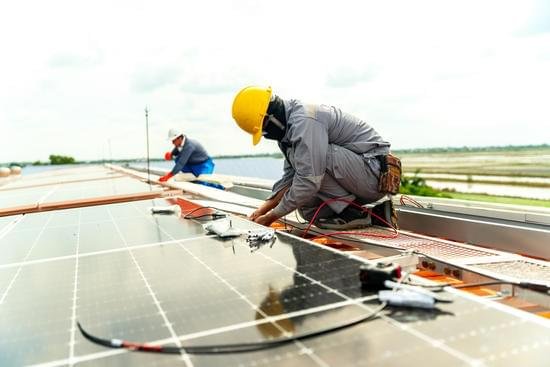
Certified teams execute the commercial solar installation with strict safety and quality standards. Installations
are planned to avoid disruption to daily operations while ensuring long-term system durability.

  1. Testing, Commissioning & Grid Connection

Before handover, the solar power system undergoes rigorous testing and commissioning. Electrical safety
checks, performance validation, and grid synchronization ensure the plant is ready for optimal operation

  1. Real-Time Monitoring & Performance Tracking

Ellvin Energy integrates solar monitoring systems that provide real-time insights into power generation, energy
savings, and system health.

  • Transparent performance data
  • Early fault detection
  • Improved efficiency
  1. . Operations & Maintenance (O&M;)

Long-term performance depends on proactive maintenance. Ellvin Energy offers comprehensive solar O&M;
services, including panel cleaning, preventive inspections, and performance audits. This ensures consistent
energy output and extends system life beyond 25 years.

  • Significant reduction in electricity bills
  • Protection against tariff hikes
  • Accelerated depreciation benefits
  • Payback period of 3–5 years
  • Strong long-term cash flow savings

Solar also strengthens ESG compliance and carbon footprint reduction initiatives.

Why Ellvin Energy

Ellvin Energy is trusted for its technical expertise, transparent pricing, and long-term service commitment.
Businesses across industries rely on Ellvin Energy for scalable, future-ready commercial solar solutions.

Ellvin energy

PM Surya Ghar:
Muft Bijli Yojana

Instagram YouTube Facebook