The future of clean energy in India is accelerating faster than ever, driven by rising electricity demand, climate
commitments, and rapid advancements in renewable energy technology. As we move into 2026, solar energy
stands out as the most reliable, scalable, and cost-effective clean energy solution for homes, businesses, and
industries. With supportive government policies, falling solar installation costs, and proven long-term savings,
solar power is no longer optional—it’s a strategic energy decision
India’s Clean Energy Transition: A Turning Point
India has set ambitious renewable energy targets to reduce carbon emissions and improve energy security.
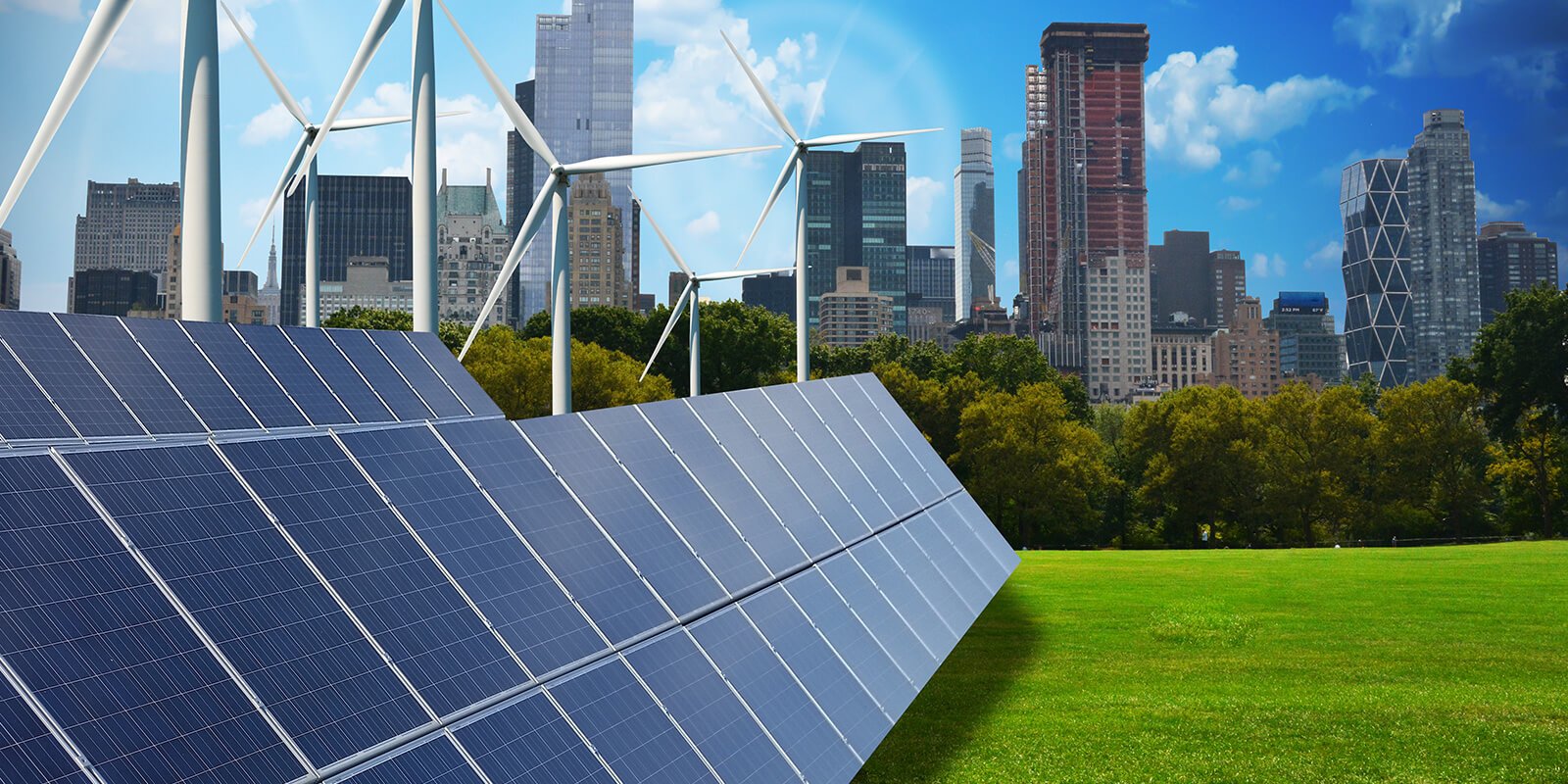
Clean energy sources like solar power, wind energy, hydropower, and battery storage systems are reshaping
the national power mix.
With increasing fossil fuel costs and grid instability, clean energy adoption helps reduce dependence on coal
while ensuring sustainable growth. Solar energy, in particular, leads this transition due to India’s high solar
potential and rapidly expanding infrastructure.
Key Clean Energy Trends Shaping India in 2026
- Rapid Growth of Solar Power Capacity
Solar power generation continues to dominate India’s renewable energy expansion. Large-scale solar parks,
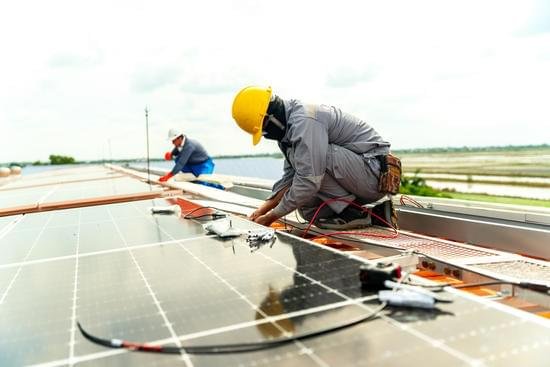
rooftop solar installations, and hybrid solar systems are being deployed across residential, commercial, and
industrial sectors. Lower solar panel prices and improved efficiency make solar systems more accessible than
ever.
- Advanced Solar Technology
Emerging technologies such as high-efficiency solar panels, bifacial modules, smart inverters, and AI-powered
energy monitoring are improving performance and reliability. These innovations maximize power output while
reducing maintenance requirements. Solar plus battery energy storage systems (BESS) are also gaining
traction, enabling round-the-clock clean power availability.
- Strong Government Policies and Incentives
Government initiatives, including solar subsidies, net metering policies, accelerated depreciation, and
renewable purchase obligations, continue to support solar adoption. These incentives improve solar ROI and
shorten payback periods for investors and businesses.
Why Solar Is a Smart Choice in 2026
Lower Electricity Costs
Installing solar power systems significantly reduces monthly electricity bills. With grid tariffs rising annually,
solar offers predictable and long-term energy savings.
High Return on Investment
Solar energy provides attractive financial returns. Most solar installations achieve payback within 3–6 years,
followed by 20+ years of free electricity generation.
Energy Independence and Reliability
Solar power reduces reliance on grid electricity and protects against power outages and tariff volatility. With
storage integration, businesses and homes gain greater energy control.
Environmental and ESG Benefits
Solar energy reduces carbon footprint, supports sustainability goals, and strengthens ESG compliance. Clean
energy adoption enhances brand reputation and environmental responsibility.
Solar for Homes, Businesses, and Industries
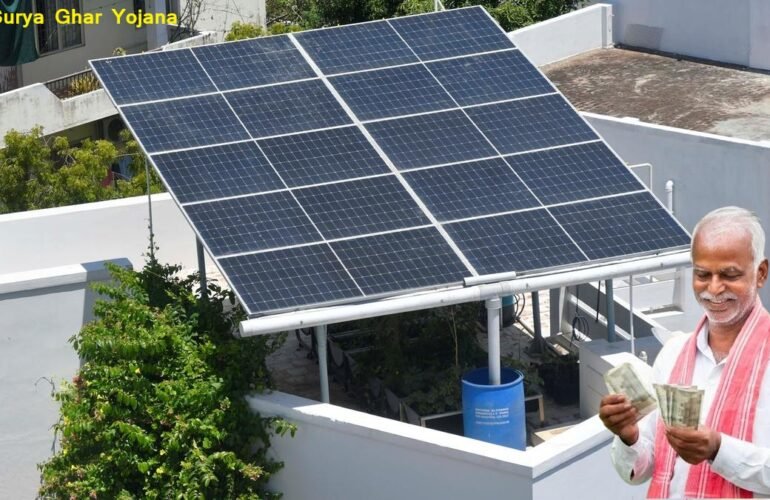
Solar solutions are now customized for every sector—residential rooftop solar, commercial solar systems,
industrial solar plants, and ground-mounted solar installations. From factories and warehouses to offices and
housing societies, solar energy offers scalable clean power solutions aligned with future energy needs.
Why Now Is the Right Time to Go Solar
With technology maturity, policy stability, and rising energy costs, 2026 presents a perfect opportunity to invest
in solar energy. Early adopters benefit from higher savings, better incentives, and long-term cost control.
Choosing solar today ensures future-ready energy infrastructure and financial stability.